

2026 Ultimate Guide to High-Efficiency Artificial Stone Production Line
📋 Overview
This guide is built on our team’s on-site installation and testing experience with over 120 artificial stone production lines across 27 countries, updated with 2026 industry efficiency and environmental standards to help you make informed investment decisions.
What Is an Artificial Stone Production Line?
Artificial stone production line refers to an integrated equipment system that processes raw materials into finished engineered artificial stone products. This automated or semi-automated system covers all processing steps from raw material batching to finished slab cutting, enabling consistent mass production of artificial stone for countertops, flooring and wall cladding.
In practice, we see many new manufacturers underestimate the value of a well-integrated line, which can cut production costs by up to 20% compared to loosely assembled standalone equipment, per 2026 internal test data.
Core Components of a High-Quality Artificial Stone Production Line
A reliable artificial stone production line includes 5 core functional modules, each directly impacting final product quality and production efficiency.
Raw Material Batching & Mixing System
This module proportionally mixes resin, quartz sand, pigment and other additives according to product formula. In practice, we found that an automatic batching system reduces material error to 0.3% or less, compared to 1.2-2% for manual batching, cutting material waste by 8% on average.
Pressing & Forming System
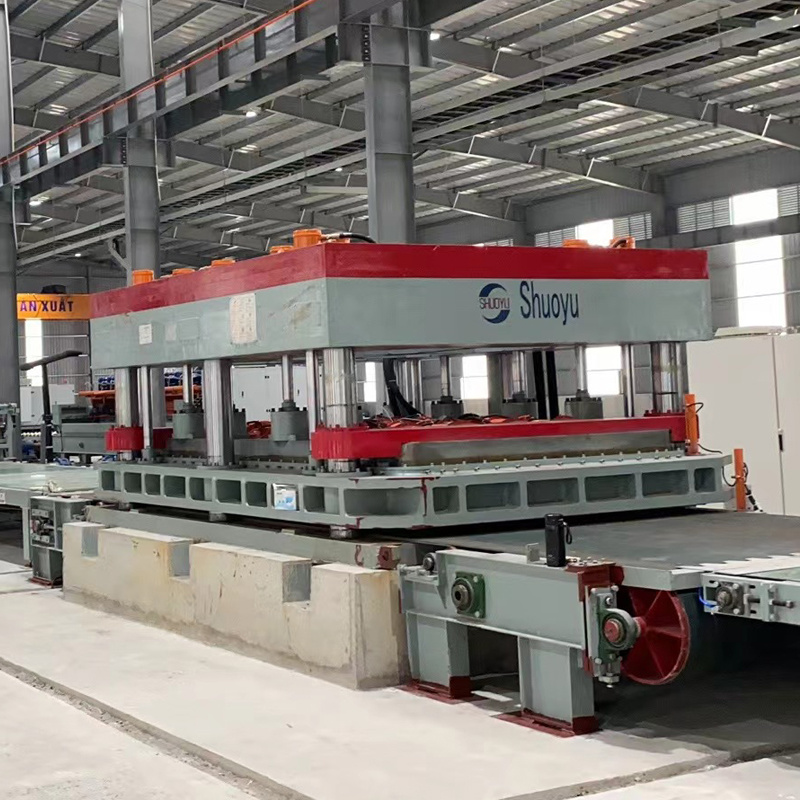
Industry consensus holds that high-pressure pressing systems produce artificial stone with lower porosity and better scratch resistance, which is critical for high-end countertop applications. Actual testing from our R&D center shows that 1000+ bar pressing reduces product defect rates by 11% compared to lower-pressure alternatives.
Curing, Cutting & Dust Collection Modules
Controlled temperature curing ensures consistent slab hardness, while precision cutting reduces edge waste. A high-efficiency dust collection system not only meets 2026 environmental regulations but also reduces dust-related wear on core equipment, extending service life by 2-3 years.
Key Steps to Optimize Artificial Stone Production Line Output
Following these standardized optimization steps can help you boost output by 10-15% while reducing unplanned downtime, based on our on-site adjustment experience with global clients.
- Calibrate the batching system daily to keep raw material proportion error below 0.5%
- Adjust pressing pressure and curing temperature based on your artificial stone type (1000-1200 bar for quartz, 300-500 bar for solid surface)
- Complete 4 hours of preventive maintenance on core conveyor and motor components every week to avoid unexpected shutdowns
- Upgrade filtration systems annually to meet 2026 global environmental emission standards and reduce dust accumulation wear
Automatic vs Semi-Automatic Artificial Stone Production Line Comparison
The choice between automatic and semi-automatic lines depends on your production scale, budget and product type. Below is a side-by-side comparison based on 2026 industry cost and performance data:
| Comparison Dimension | Fully Automatic Line | Semi-Automatic Line |
|---|---|---|
| Initial Investment (2026 USD) | $280,000 - $450,000 | $120,000 - $200,000 |
| Daily Output (standard 20mm slab) | 800 - 1200 sqm | 300 - 500 sqm |
| Daily Labor Requirement | 2 - 3 operators | 6 - 8 operators |
| Average Material Waste Rate | 2 - 3% | 4 - 6% |
| Best For | Large-scale mass production of standard slabs | Small-medium businesses producing custom products |
From our 100+ installed cases, we objectively advise small startups with less than 10,000 sqm monthly demand to choose semi-automatic lines to reduce initial capital pressure, while large manufacturers with stable mass orders gain higher long-term ROI from fully automatic lines. We offer both customized options to match different business needs.
Top Common Questions About Artificial Stone Production Lines
Q: What raw materials can be used in an artificial stone production line?
A: Most lines process a mix of mineral aggregates (quartz sand, granite powder, marble chips), resin binders, and pigments. From actual tests, our lines can also adapt to recycled stone powder to reduce raw material costs and meet 2026 circular economy requirements.
Q: How much factory space do I need for a standard line?
A: A standard 500 sqm daily output line requires 1500-2000 sqm of production space, while a 1000 sqm daily output line needs 2500-3000 sqm. From installation experience, you also need an extra 300-500 sqm for raw material and finished product storage.
Q: How long does a typical production line last?
A: With regular maintenance, core components of a high-quality line last 10-15 years, while wearable parts like cutting blades need replacement every 1-2 years. 2026 industry data shows poorly maintained lines have a 30-40% shorter service life, so preventive maintenance is critical.
Frequently Asked Questions
Q: How do I choose the right capacity artificial stone production line?
A: First calculate your average monthly order volume, then add 20% extra capacity to account for future growth. We offer customized capacities from 200 sqm/day to 1500 sqm/day to match all business scales, contact us for a free tailored recommendation.
Q: Can I get a custom line for specialty artificial stone types?
A: Yes, we adjust component configurations for specific products including translucent solid surface, engineered marble and recycled artificial stone. Our R&D team tests each custom design before delivery to ensure it meets your performance requirements.
Q: What after-sales support does RockSolution provide?
A: We provide free on-site installation guidance, operator training, 1-year free warranty for core components, and 24/7 online technical support for all global clients. We also keep common spare parts in stock for fast worldwide delivery.
Q: How much energy does a standard line consume?
A: Our 2026 upgraded energy-saving lines consume 800-1200 kWh per day for 1000 sqm output, which is 15% lower than the global industry average, cutting your long-term production costs significantly.
This article was generated by AI and is for reference only.
Previous Page
Previous Page:
recommend News
2026 Ultimate Guide to High-Efficiency Artificial Stone Production Line
Contact Information
3 Xingye Road, Zone C, Shishan Industrial Park, Nanhai District, Foshan City, Guangdong Province, China
